
Part 2: Heritage Decisions, Projects and Community Impact - 05/01/2024
- PECConnect
- May 1, 2024
- 4 min read
Picton Courthouse Heritage Evaluation
Meredith Stewart, Lindsay Graves, and Miranda Brunton presented the heritage evaluation for the Picton Courthouse and confirmed that the building holds clear provincial heritage significance.
The presentation focused on the courthouse’s architectural importance, civic role, and long-standing place within the history of Prince Edward County. The evaluation also clarified why the building qualifies for stronger heritage recognition and what that means for future conservation decisions.
For residents, this matters because the courthouse is one of Picton’s most recognizable public landmarks. Formal recognition strengthens long-term protection and helps ensure future renovations, ownership changes, or redevelopment proposals must respect the building’s historic character.
John Hirsch asked detailed questions about the courthouse’s original functions, construction timeline, and how municipal designation would strengthen protection beyond existing recognition. His comments reflected concern about protecting the site over the long term, especially if ownership or uses ever change in the future.
The discussion reinforced that heritage designation is not only about preserving architecture but also about protecting important community identity and civic history.
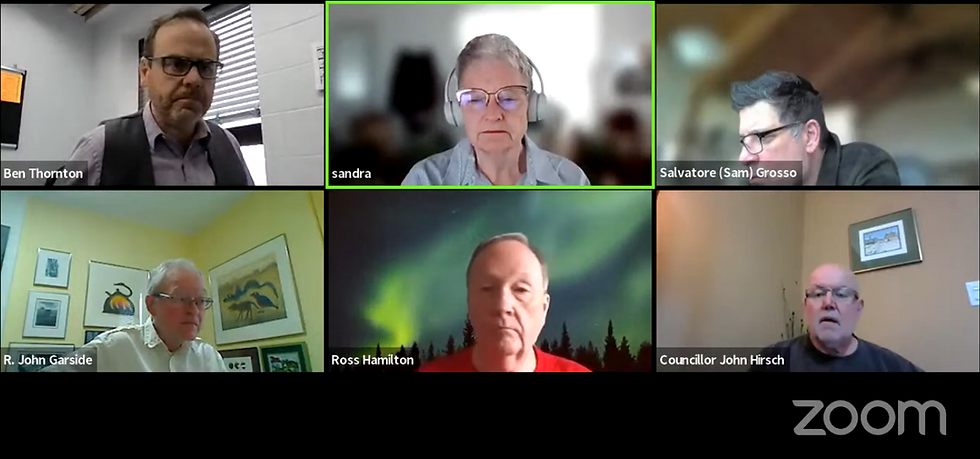
View the entire PEC Council Meeting; or view our recap.
Laneway Activation and Downtown Improvements
Karen Palmer presented updates on the proposed downtown laneway activation project, which includes public art and placemaking improvements designed to enhance underused spaces in Picton. She confirmed that the proposal would not involve altering heritage building walls or damaging protected structures.
Committee members generally supported the idea as a way to improve downtown vibrancy while maintaining heritage protections.
John Hirsch strongly supported creative activation efforts but emphasized that any future proposals affecting heritage buildings or designated properties must return to the committee for review.
For residents and visitors, the project could improve walkability, tourism appeal, and downtown activity while still respecting the historic character of surrounding buildings. The discussion reflected an effort to balance economic activity and creativity with careful heritage oversight.
Ontario Heritage Conference Planning
Chris Palmer outlined plans for a future Community Heritage Ontario Conference and discussed potential themes focused on adaptive reuse, heritage conservation, and community value.
The conference is intended to position Prince Edward County as a leader in heritage preservation while also bringing economic and tourism benefits through visiting professionals, speakers, and attendees. At the same time, committee members openly discussed the challenges involved in hosting a major event.
John Hirsch and Valrie Porter stressed the importance of realistic planning, manageable workloads, and maintaining quality over scale.
Their comments reflected concern about volunteer capacity, staff workload, and the risk of overextending committee resources.
Cemeteries as Heritage Assets
A notable part of the meeting focused on recognizing cemeteries as important heritage resources.
Valrie Porter strongly emphasized that cemeteries are not simply burial sites but valuable cultural landscapes tied to local history, families, and rural identity. She highlighted the long-term financial and maintenance challenges associated with cemetery preservation and the need for municipalities to plan proactively rather than react after problems emerge.
For residents, especially in rural communities, this discussion reinforced that cemetery preservation is becoming part of broader heritage planning and long-term municipal decision-making.
Heritage Property Expansion at The Cape

Jonathan Kearns presented a zoning amendment related to The Cape, emphasizing that the proposed expansion is designed to balance heritage preservation, accessibility improvements, and long-term financial sustainability.
Committee members including Lori Bush, John Hirsch, Ross, and Michael Miller expressed strong support for the proposal. Members noted that the design appears respectful of existing heritage attributes while also improving accessibility and supporting continued use of the property.
The discussion highlighted a broader heritage principle repeatedly raised throughout the meeting: preservation works best when historic properties remain economically viable and functional.
Overall Impact for Residents
This meeting focused heavily on balancing heritage protection, accessibility, economic activity, and long-term planning.
The courthouse evaluation strengthens long-term protection for one of Picton’s most significant civic buildings and clarifies expectations for future changes. The laneway activation project supports creative downtown improvements while maintaining safeguards for nearby heritage structures.
Conference planning discussions showed that the County wants to grow its reputation in heritage leadership without overextending volunteers or staff capacity.
The recognition of cemeteries as heritage assets also expanded the conversation beyond buildings to include cultural landscapes and long-term stewardship responsibilities. Finally, the proposed expansion at The Cape demonstrated continued investment in heritage properties that improve accessibility and usability without compromising historic character.
Together, these discussions will influence future staff reports, permit reviews, council decisions, and public expectations around how heritage conservation is managed across Prince Edward County.
Disclaimer: This article is based on a meeting with an approximate duration of 1:13:31. Due to the length of the meeting, our team was not able to independently review the full recording in its entirety. As a result, we relied on software-generated transcription, automated summarization, and automated recognition of speakers and participants, which may not be entirely accurate. All transcriptions, summaries, and related content are prepared by our team in good faith and on a reasonable best-efforts basis. The content is provided for general informational purposes only and is intended to support public understanding of the topics discussed. While reasonable efforts have been made to present the information accurately, automated processes may result in errors, omissions, or unintended misinterpretations. This article does not constitute an official, certified, or verbatim record of the meeting, and it should not be relied upon as such. Readers are encouraged to consult original source materials, official minutes, or recordings where available for confirmation or clarification. Questions, requests for clarification, or suggested corrections may be submitted to hello@pecconnect.ca for review and consideration.


Comments