
Part 1: Glen Lane Dispute, Recycling Changes, and Long-Term Care Costs – 05/09/2024
- PECConnect
- May 9, 2024
- 3 min read
The County’s Committee of the Whole met on May 9, 2024 at Shire Hall in Picton for a wide-ranging afternoon session that touched on local land access disputes, upcoming changes to recycling services, and major financial decisions tied to long-term care. The meeting was chaired by Councillor Brad Nieman and brought together County councillors, senior staff, and members of the public to air concerns and test next steps before matters advance to a full Council vote later in the month. The meeting opened with procedural items before quickly turning to its most emotionally charged topic: Glen Lane.

View the entire PEC Council meeting, or continue to speaker comments and councillor votes>
Glen Lane and Section 35 of the Municipal Act
The first two deputations both focused on Glen Lane, an unassumed municipal road near Wellers Bay. David J. Potts, a property owner on Glen Lane, outlined a petition from 28 residents seeking a Section 35 bylaw under the Municipal Act to restrict access across the road. Potts described long-standing use patterns, recent vegetation clearing, road damage, and concerns about increased access from a neighbouring agricultural parcel. His presentation relied heavily on maps, photographs, and personal history with the area.
Potts was followed by Billy Wright, who owns the agricultural lands south of Glen Lane. Wright challenged the petition, arguing that Glen Lane has historically been used for agricultural access and that recent vegetation removal was focused on invasive species and property cleanup. He also raised concerns about dumping from neighbouring cottage properties and framed the dispute as a long-running neighbour conflict rather than a municipal access issue.
Councillors asked detailed questions of both deputants about land use history, road ownership, permits, and environmental impacts. By the end of the discussion, Councillor Chris Braney brought forward a motion directing staff to explore the application of Section 35 of the Municipal Act specifically in the context of Glen Lane, with a report to return by Q4 2024. The motion passed, signaling that Council is not making a decision yet but wants a clearer legal and factual foundation.
Public Concern Over Long-Term Care Costs
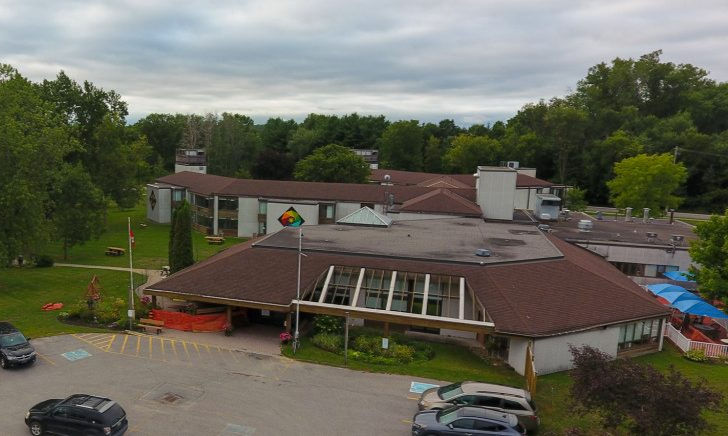
During the public comment portion of the meeting, Dorothy Bothwell raised concerns about the financial risks tied to the H.J. McFarland Memorial Home long-term care redevelopment. Bothwell questioned rising cost estimates, debt levels, and the lack of a confirmed provincial funding agreement, urging Council to pause and fully assess the County’s financial exposure. Her comments foreshadowed the
lengthy discussion that followed later in the meeting.
CAO Update and Internal Capacity
Council then received the CAO’s First Quarter Update, presented by Chief Administrative Officer Marcia Wallace. Councillors repeatedly emphasized the scale and complexity of County operations, improvements in public engagement, and the challenge of managing dozens of active Council motions at once. The discussion highlighted internal tracking tools used by staff and raised the possibility of sharing some form of progress tracker with the public in the future.
Another major topic was the transition to producer responsibility for recycling, explained by Environmental Services Supervisor Albert Paschkowiak. Councillors learned that provincial regulations will shift responsibility for recycling away from municipalities starting in July 2025. While residential curbside recycling will continue, non-eligible sources such as some businesses may lose service unless the County takes additional action. Staff were directed to work with Circular Materials Ontario and return with options for managing gaps in service.
Key Takeaways
Glen Lane is far from resolved. Council has asked staff for a deep legal review before deciding whether access restrictions are appropriate.
Recycling services are changing whether the County likes it or not. Provincial rules are driving the shift, and local impacts are still being worked through.
Long-term care redevelopment remains one of the most expensive and consequential decisions facing the County, with real implications for taxes, debt, and care capacity in the years ahead.
Disclaimer: This article is based on a meeting with an approximate duration of 2:16:10. Due to the length of the meeting, our team was not able to independently review the full recording in its entirety. As a result, we relied on software-generated transcription, automated summarization, and automated recognition of speakers and participants, which may not be entirely accurate. All transcriptions, summaries, and related content are prepared by our team in good faith and on a reasonable best-efforts basis. The content is provided for general informational purposes only and is intended to support public understanding of the topics discussed. While reasonable efforts have been made to present the information accurately, automated processes may result in errors, omissions, or unintended misinterpretations. This article does not constitute an official, certified, or verbatim record of the meeting, and it should not be relied upon as such. Readers are encouraged to consult original source materials, official minutes, or recordings where available for confirmation or clarification. Questions, requests for clarification, or suggested corrections may be submitted to hello@pecconnect.ca for review and consideration.


Comments