
Part 2: Council Divided on Reserves, Staffing Cuts Approved, and Key Budget Decisions Explained - 12/03/2024
- PECConnect
- Dec 3, 2024
- 6 min read
Councillors repeatedly returned to the same difficult question: should the municipality prioritize protecting residents from additional tax increases today, or should it rebuild reserves more aggressively now to avoid larger financial problems later?
The debate exposed a council deeply split on how much financial pressure residents can realistically handle in the current economy and how urgently the County must prepare for future infrastructure failures, aging assets, and operational risk.

View the entire PEC Council Meeting; or view our recap.
While many councillors agreed the municipality is approaching a financial turning point, there was far less agreement on exactly how aggressively council should respond.
Janice Maynard, John Hirsch, and Kate MacNaughton Push for Stronger Reserves
Janice Maynard, John Hirsch, and Kate MacNaughton consistently argued that the County’s reserve situation is becoming increasingly unsustainable.
Throughout the meetings, they warned that reserve balances have declined to the point where the municipality has very little financial flexibility remaining if major infrastructure failures occur unexpectedly. Their comments repeatedly emphasized that postponing reserve rebuilding simply shifts the financial burden onto future councils and taxpayers.
Maynard in particular stressed that roads, bridges, emergency infrastructure, and aging municipal assets will not become cheaper to repair later. Hirsch echoed those concerns by warning that delaying investment today often creates far larger repair costs in the future when infrastructure deteriorates further or emergency replacement becomes unavoidable.
MacNaughton reinforced the broader message that reserves exist specifically to protect municipalities from sudden financial shocks and that failing to rebuild them now increases long-term risk for the entire community.
Their arguments reflected a long-term planning philosophy focused on financial sustainability, infrastructure preparedness, and reducing the likelihood of severe future tax spikes.
Roy Pennell, Chris Braney, and Sam Branderhorst Focus on Affordability
On the opposite side of the debate, Roy Pennell, Chris Braney, and Sam Branderhorst repeatedly stressed that many residents are already struggling financially and cannot realistically absorb significantly higher tax increases in the current economy.
These councillors acknowledged the reserve concerns but argued that affordability pressures facing residents today must remain the immediate priority. Rising housing costs, inflation, utility bills, and economic uncertainty were repeatedly referenced as reasons council should avoid aggressive tax increases even if infrastructure risks are growing.
Branderhorst in particular warned against placing additional strain on households already dealing with financial stress, arguing that there is a practical limit to how much taxpayers can reasonably support in a single budget cycle.
Pennell also emphasized that while reserve rebuilding is important, council cannot ignore the reality that residents are increasingly sensitive to tax increases and expect visible restraint from municipal government.
The debate highlighted the broader challenge facing municipalities across Ontario as councils attempt to balance long-term infrastructure planning against immediate affordability concerns.
Motion to Increase Reserves Fails in Divided Vote
The division within council became especially clear when a motion was introduced to add an additional 1 percent levy specifically for reserve rebuilding.
After significant debate, the motion failed in an 8-to-5 vote, confirming that council remains sharply divided over how much short-term financial pain residents should absorb in order to strengthen long-term municipal finances.
For residents, the outcome means immediate tax increases remain lower than they otherwise would have been. However, councillors openly acknowledged that financial risks tied to aging infrastructure, emergency repairs, and future reserve shortfalls remain unresolved moving forward. The failed motion became one of the clearest examples of the difficult balancing act dominating the County’s budget process.
Roads and Infrastructure Remain a Major Priority

Despite disagreements over reserves, there appeared to be broad agreement that roads and infrastructure remain among the County’s most pressing priorities. Councillors Janice Maynard, John Hirsch, Sam Grosso, and Phil St-Jean all emphasized the importance of maintaining roads heavily used by residents, emergency services, agriculture, and tourism traffic.
County Road 49 and other key transportation corridors were repeatedly referenced as examples of infrastructure that directly affects economic activity, tourism reputation, and daily life across the municipality.
However, council stopped short of formally redirecting tourism-related Municipal Accommodation Tax funds toward road work during these meetings. Instead, councillors chose to maintain flexibility while awaiting additional tourism management discussions and legal clarification surrounding eligible uses for tourism reserve funds.
For residents, this means no immediate road funding increase was approved, although infrastructure and road conditions clearly remain major concerns that will likely continue dominating future budget debates.
Council Approves Staffing Consolidation Measures
Council showed greater consensus when discussing staffing efficiency measures.
A motion to combine two municipal roles into a single position passed by a 10-to-3 vote, signaling broad support for operational restructuring aimed at slowing internal staffing growth.
Councillors later approved another motion eliminating two proposed positions entirely. These decisions were framed primarily as cost-control measures rather than direct service reductions.
Supporters argued the municipality must continue finding efficiencies within its own operations before relying too heavily on tax increases. Others acknowledged concern that ongoing staffing reductions or consolidations could eventually increase pressure on remaining employees and affect organizational capacity over time.
For residents, the changes are unlikely to result in immediate visible service cuts, although they do reflect council’s increasing focus on controlling internal operational growth.
Picton Fairgrounds Restoration Receives Unanimous Support
One project that generated broad agreement across council involved the restoration of the Old Boys Entrance at the Picton Fairgrounds. Councillors unanimously approved $50,000 for the restoration project after several members spoke emotionally about the importance of preserving local heritage, supporting veterans, and maintaining important community gathering spaces.
The project was formally approved as a Project of Community Interest, allowing community donations to qualify for tax receipts and encouraging broader fundraising efforts moving forward.
Several councillors framed the restoration as more than a simple infrastructure project, describing it as an investment in local identity, historical preservation, accessibility improvements, and community pride
Fire Department Safety Requests Largely Approved
Fire department requests also received substantial support during the meetings.
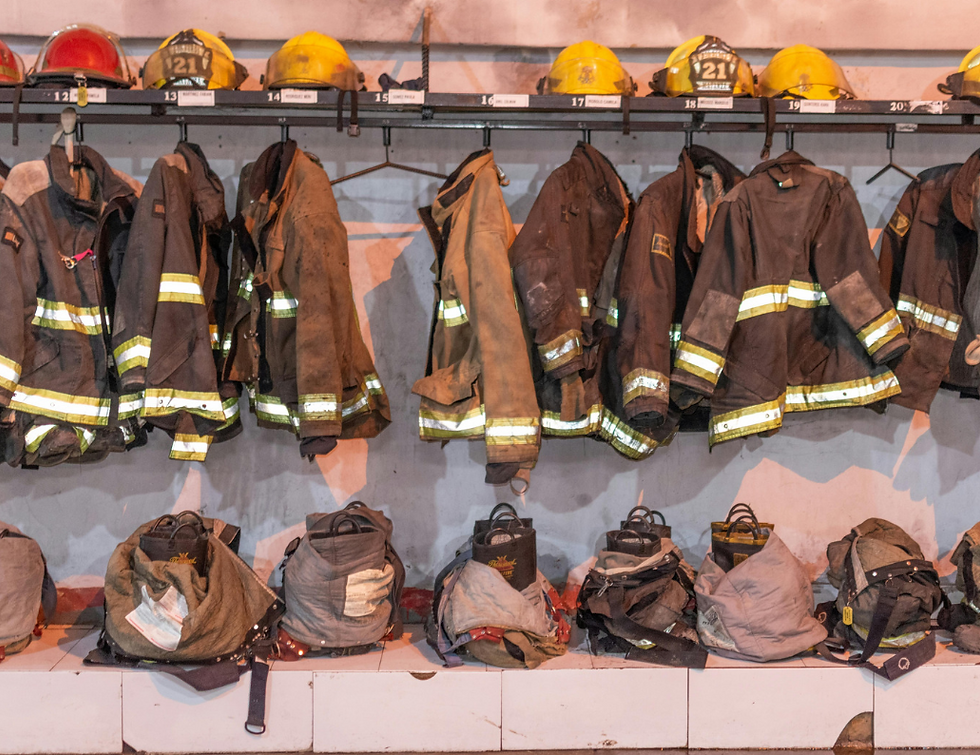
Councillors approved funding for firefighter protective equipment, portable radios, EV fire blankets, hose replacements, and other operational safety items. While some members questioned specific costs and timing, there appeared to be broad agreement that firefighter safety equipment could not be delayed without creating unacceptable operational risk.
The discussion reflected the growing complexity of emergency services as municipalities adapt to evolving technology, changing vehicle types, and increasing public safety expectations.
At the same time, not every technology-related project moved ahead automatically.
The proposed IT intranet project was placed in the “parking lot” for further discussion after councillors raised concerns about possible duplication and overall necessity. However, cybersecurity upgrades and hardware replacement projects were allowed to proceed.
For residents, this means critical safety and cybersecurity investments continue moving forward while some digital modernization projects face additional scrutiny before final approval.
Council Acknowledges a Larger Financial Turning Point
By the end of the meetings, councillors openly acknowledged that Prince Edward County is approaching a broader financial crossroads.
The repeated debates over reserves, infrastructure, staffing, roads, tourism funding, and tax pressure all pointed toward the same underlying issue: the municipality’s current financial model is becoming increasingly difficult to sustain without harder choices in future years.
Some councillors focused heavily on protecting residents from immediate financial strain. Others warned that delaying investment and reserve rebuilding simply postpones larger and more painful financial decisions into the future.
The discussions revealed a council trying to balance affordability today with sustainability tomorrow without full agreement on where the line should ultimately be drawn.
Overall Takeaway From the Meeting
Overall, the meetings showed a municipality under growing financial pressure and a council struggling to reconcile competing priorities.
Residents will likely experience moderate short-term tax restraint as council continues attempting to limit immediate financial impacts. However, infrastructure pressures, reserve shortfalls, aging assets, and long-term operational costs remain unresolved challenges that will continue shaping future budgets.
The broader message from these meetings was clear: larger conversations about taxes, infrastructure funding, reserve rebuilding, and municipal sustainability are no longer avoidable and will likely become even more difficult in the years ahead.
Disclaimer: This article is based on a meeting with an approximate duration of 6:50:06. Due to the length of the meeting, our team was not able to independently review the full recording in its entirety. As a result, we relied on software-generated transcription, automated summarization, and automated recognition of speakers and participants, which may not be entirely accurate. All transcriptions, summaries, and related content are prepared by our team in good faith and on a reasonable best-efforts basis. The content is provided for general informational purposes only and is intended to support public understanding of the topics discussed. While reasonable efforts have been made to present the information accurately, automated processes may result in errors, omissions, or unintended misinterpretations. This article does not constitute an official, certified, or verbatim record of the meeting, and it should not be relied upon as such. Readers are encouraged to consult original source materials, official minutes, or recordings where available for confirmation or clarification. Questions, requests for clarification, or suggested corrections may be submitted to hello@pecconnect.ca for review and consideration.


Comments