
Part 2: Climate Adaptation, Freshwater Protection, and Composting Plans Shape PEC Environmental Discussions - 04/02/2024
- PECConnect
- Apr 2, 2024
- 4 min read
Updated: May 28
Environmental Protection and Climate Planning
John Hirsch, Jane Lesslie, Ben Thornton, Paulina Szlachta, and Albert Paschkowiak all played major roles in shaping the committee’s direction during this meeting, especially around environmental protection, climate adaptation, and long-term sustainability planning.

View the entire PEC Council Meeting; or view our recap.
The committee unanimously supported the Pugnose Shiner recovery plan, reinforcing support for freshwater habitat protection and biodiversity conservation across the region.
For residents, this matters because healthier waterways contribute directly to long-term water quality, ecosystem stability, and shoreline health while avoiding major impacts on recreational fishing and local outdoor activity.
As discussion moved toward implementation and municipal capacity, John Hirsch raised concerns about administrative workload and questioned whether small municipalities can realistically manage increasingly complex climate and environmental programs on their own.
He suggested that a more regional approach could improve efficiency and reduce duplicated effort between municipalities.
Jane Lesslie emphasized the importance of learning before committing to major programs or funding models. She encouraged the committee to hear directly from outside experts before taking formal positions.
That discussion ultimately led to agreement to invite the Green Municipal Fund to present to the committee and help guide future climate and energy planning decisions.
For residents, this could eventually improve access to retrofit programs, funding opportunities, and energy support initiatives, particularly for homeowners who struggle to access existing provincial or federal programs.
Climate Adaptation and Community Resilience
A major theme throughout the meeting was the growing need to focus not only on climate mitigation but also on practical adaptation strategies.

Ben Thornton and John Hirsch both stressed that climate policy cannot focus only on reducing emissions while ignoring real-world local risks such as flooding, shoreline erosion, infrastructure strain, and extreme weather events. Their comments reflected a broader shift toward resilience planning and emergency preparedness.
For local residents, this discussion matters because future climate policies may increasingly focus on protecting roads, infrastructure, public services, and vulnerable areas from climate-related damage.
The conversation reinforced that climate impacts are already affecting communities and that planning decisions made now will shape long-term costs, safety, and municipal resilience.
Natural Cover and Environmental Flexibility
The committee also discussed environmental planning rules related to natural cover and land management.
John Hirsch cautioned against rigid policies that ban all non-native plants without considering ecological complexity and practical land management realities.
He emphasized the importance of balanced, informed decision-making that protects ecosystems while still allowing flexibility for residents, farmers, and landowners. For locals, this signals that future environmental policies may aim to avoid overly simplistic rules while still strengthening protections for sensitive natural areas.
The discussion reflected a broader effort to balance environmental goals with practical implementation.
Earth Week and Community Engagement
The committee reviewed upcoming community engagement initiatives connected to Earth Week and the May 4 environmental event.
Jane Lesslie and Paulina Szlachta outlined planned programming, while Albert Paschkowiak confirmed that the County itself would be involved in several activities. Strong participation from schools and community organizations is expected.
These events are intended to provide residents with practical information, environmental resources, and direct access to experts on topics such as home energy efficiency, composting, farming, and conservation.
For residents, this means more opportunities for hands-on involvement in local sustainability efforts and easier access to environmental education and support programs.
Organics Composting Facility Discussion
A significant portion of the meeting focused on the proposed organics composting facility. Albert Paschkowiak presented the project and acknowledged both strong public interest and ongoing concerns about possible impacts.
Committee members explored a wide range of questions.
John Hirsch focused on transportation logistics and long-term cost savings. Ben Thornton emphasized methane reduction and environmental benefits. Paulina Szlachta explored opportunities for partnerships with local farms and agricultural operations.
While no final decisions were made, the committee showed clear support for continuing feasibility work and gathering more information.
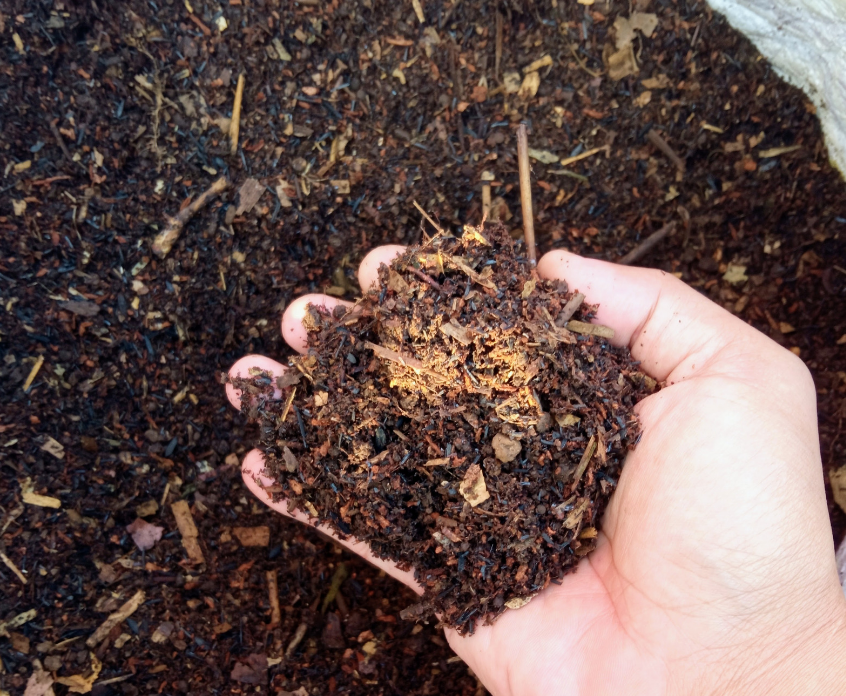
For residents, the project could eventually reduce landfill pressure, lower methane emissions, extend landfill lifespan, and create locally produced compost.
At the same time, committee members acknowledged that concerns around traffic, noise, and environmental impacts still need careful review before any future approvals.
Youth Engagement and Long-Term Participation
The meeting also highlighted growing interest in involving younger residents in environmental decision-making.
Ben Thornton proposed youth-led question-and-answer sessions, while John Hirsch suggested bringing discussions directly into schools to increase participation and awareness. The ideas received general support, although no formal structure has been finalized yet.
For local youth, this could create new opportunities to participate in sustainability discussions, advisory work, and future environmental planning initiatives.
Overall Impact for Residents
This meeting reinforced the committee’s strong focus on practical environmental protection, climate resilience, and long-term planning.
Residents may eventually benefit from stronger freshwater protection, expanded climate adaptation planning, improved access to energy programs, and more coordinated sustainability initiatives.
The discussions also showed growing attention to balancing environmental protection with practicality, community education, and realistic municipal capacity.
At the same time, the committee made clear that major projects like the organics composting facility will continue to undergo careful review before moving forward.
Overall, the meeting reflected a shift from broad environmental goals toward more concrete implementation discussions that could directly shape infrastructure, land use, environmental policy, and community resilience across Prince Edward County.
Disclaimer: This article is based on a meeting with an approximate duration of 1:25:39. Due to the length of the meeting, our team was not able to independently review the full recording in its entirety. As a result, we relied on software-generated transcription, automated summarization, and automated recognition of speakers and participants, which may not be entirely accurate. All transcriptions, summaries, and related content are prepared by our team in good faith and on a reasonable best-efforts basis. The content is provided for general informational purposes only and is intended to support public understanding of the topics discussed. While reasonable efforts have been made to present the information accurately, automated processes may result in errors, omissions, or unintended misinterpretations. This article does not constitute an official, certified, or verbatim record of the meeting, and it should not be relied upon as such. Readers are encouraged to consult original source materials, official minutes, or recordings where available for confirmation or clarification. Questions, requests for clarification, or suggested corrections may be submitted to hello@pecconnect.ca for review and consideration.


Comments