
Part 1: Heritage Enforcement Bylaw Advances, Museum Strategy Endorsed, and Heritage Awards Revived — 06/03/2026
- PECConnect
- Jun 3
- 4 min read
The Built and Cultural Heritage Advisory Committee met on June 3, 2023. The meeting focused on strengthening protections for heritage properties, reviewing a new museum strategic plan, reviving the County's Heritage Awards program, and advancing several municipal heritage permit applications.
One of the most significant discussions centered around a proposed Property Maintenance and Standards Bylaw, a document that has been in development since concerns were first raised in 2024 about how the County can better protect designated heritage properties.

View the entire PEC Council meeting, or continue to speaker comments and councillor votes>
New Heritage Enforcement Tool Under Review
Public comments opened with extensive feedback from resident and heritage advocate Liz Driver, who praised the effort to create stronger enforcement mechanisms but raised concerns about how heritage properties would be treated under the draft bylaw. Driver stressed that any enforcement process involving designated heritage buildings must remain connected to the requirements of the Ontario Heritage Act and should not allow property standards officers to independently order alterations without heritage oversight.
Driver also recommended adding references to heritage conservation practices such as mothballing, a recognized preservation method for vacant heritage buildings that may not be in active use.
County Solicitor Sarah Viau, who prepared the draft bylaw, explained that the proposed changes are intended to provide enforcement options that currently do not exist under the Ontario Heritage Act. While the Heritage Act can impose significant penalties after unauthorized work has occurred, it offers limited tools for stopping inappropriate work before damage is done.
Viau explained that the proposed bylaw would allow property standards officers to require property owners to obtain the proper heritage permits before continuing work. The officer would not decide what restoration work should occur but would instead direct the matter back through the County's heritage approval process.
Committee members generally welcomed the approach while emphasizing the need for clear procedures and continued consultation before the bylaw returns to Council. Staff committed to revising the draft and bringing it back to the committee for further review.
Museum Strategic Plan Moves Forward
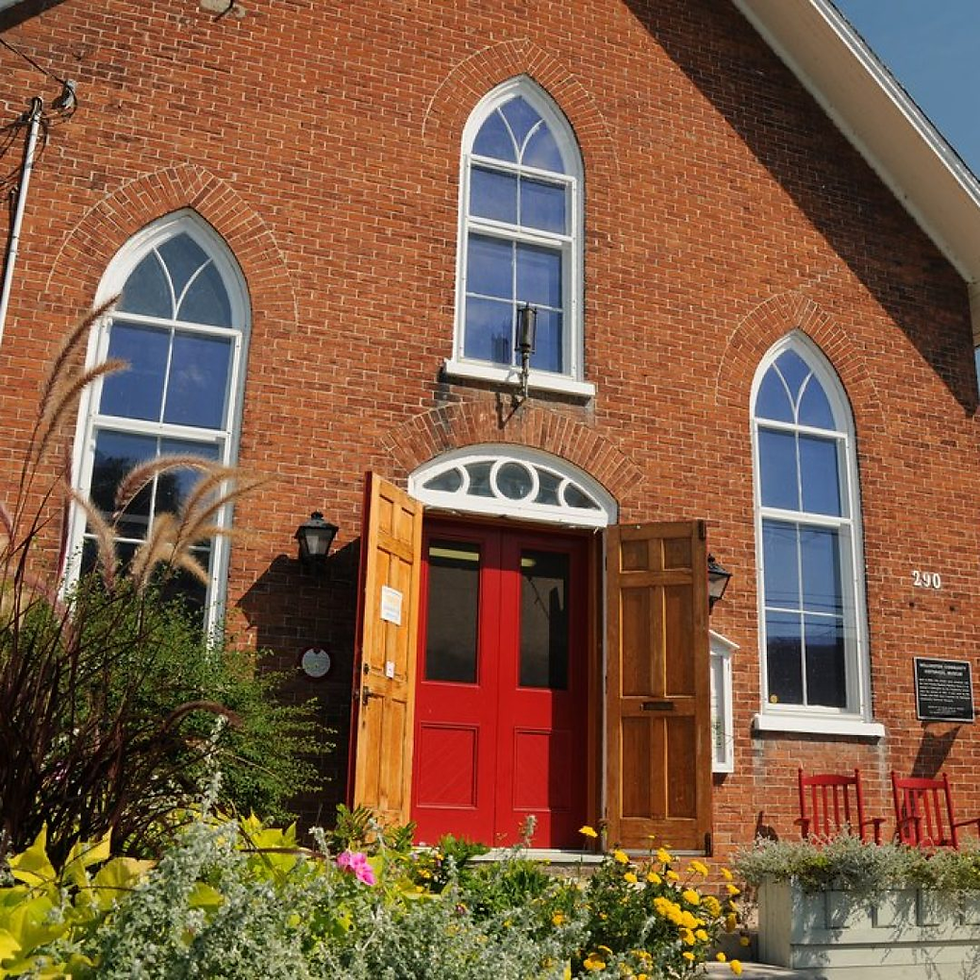
The committee also reviewed the County Museums' proposed 2026-2027 Strategic Plan.
Public speakers Liz Driver and Gord Gibbins both voiced support for the museums while raising concerns about the governance section of the document. Both argued that the plan should more clearly reflect the current role of BCHAC and suggested consultation with provincial museum advisors before final submission.
Museum Supervisor Chris Palmer explained that the plan is being developed in phases to satisfy requirements associated with the provincial Community Museum Operating Grant (CMOG) program. The current document focuses specifically on the 2026-2027 period and is intended to meet grant eligibility requirements before a larger multi-year strategy is developed.
Palmer outlined the work already completed, including strategic planning webinars, internal SWOT analyses, focus group discussions, and consultation with museum staff and volunteers. He noted that a second phase will build toward a broader long-term plan with continued input from BCHAC members.
After considerable discussion about governance wording and future committee structures, BCHAC ultimately endorsed the 2026-2027 museum plan and also endorsed its participation in developing a future multi-year strategy.
Heritage Permit Applications Approved
The committee then turned to four heritage permit applications involving municipal heritage buildings: Shire Hall, Picton Town Hall, Bloomfield Town Hall, and Ameliasburgh Town Hall.
Planning staff explained that the work largely involves maintenance activities such as repairs to fascia, eaves, and exterior components using materials that match existing heritage features.
Committee members noted that the projects are intended to protect and preserve the buildings rather than alter their heritage character. Following review by the Heritage Permit Task Team, all four permit applications were recommended for approval.
Committee Supports Province-Wide Heritage Advocacy
BCHAC also endorsed a resolution urging the Province to extend timelines related to heritage designations under recent legislative changes.
Committee members noted that several municipalities across Ontario have already passed similar resolutions and agreed that the County should add its voice to the growing call for additional time to complete heritage designation work.
Heritage Awards Program Set for Revival

A recurring theme throughout the meeting was the long absence of the County's Heritage Awards Program.
Both Driver and Gibbins pointed out that heritage awards have not been presented since 2020 and argued that important contributors to local heritage conservation deserve recognition.
After discussing timelines, nomination processes, and administrative support, the committee voted to reactivate the awards program. BCHAC also agreed to request County staff assistance in promoting nominations through public communications channels and designated committee member Janice Gibbins to help coordinate the effort.
The goal is to begin accepting nominations and restart a recognition program that many members felt has been missing for too long.
Key Takeaways
A new heritage enforcement bylaw is moving forward. The proposed rules could give the County stronger tools to prevent unauthorized alterations to designated heritage properties before damage occurs.
County Museums secured support for their next strategic planning phase. The committee endorsed the museums' 2026-2027 strategic plan while discussions continue about long-term governance and future planning.
Heritage Awards are coming back. After several years without a program, BCHAC has officially started the process of reviving local heritage awards to recognize people and projects that help preserve the County's history.
Disclaimer: This article is based on a meeting with an approximate duration of 2:57:36. Due to the length of the meeting, our team was not able to independently review the full recording in its entirety. As a result, we relied on software-generated transcription, automated summarization, and automated recognition of speakers and participants, which may not be entirely accurate. All transcriptions, summaries, and related content are prepared by our team in good faith and on a reasonable best-efforts basis. The content is provided for general informational purposes only and is intended to support public understanding of the topics discussed. While reasonable efforts have been made to present the information accurately, automated processes may result in errors, omissions, or unintended misinterpretations. This article does not constitute an official, certified, or verbatim record of the meeting, and it should not be relied upon as such. Readers are encouraged to consult original source materials, official minutes, or recordings where available for confirmation or clarification. Questions, requests for clarification, or suggested corrections may be submitted to hello@pecconnect.ca for review and consideration.


Comments